



steel rolling mill plant cost
/Rolled steel production is a cornerstone of modern industry, integral to building structures, machinery, and countless other applications where durability and strength are paramount. A steel rolling mill is pivotal in transforming raw metal into forms that serve specific functions across diverse industries. Exploring the intricacies, technological advancements, and applications of these mills illuminates their significant role in manufacturing. Steel rolling mills operate by passing metal through a pair of rollers to manipulate its shape to desired specifications. The process is far more than mere shaping—it involves complex interactions of forces that alter metal properties. This evolution begins with extensive research and development aimed at enhancing the efficiency and output quality of rolling mills. Modern mills now integrate sophisticated electronics and software to reduce energy consumption and increase precision, aligning with global sustainability goals. Investing in a steel rolling mill translates into adopting innovative solutions that maximize output while minimizing operational challenges. Experts in the field emphasize the importance of regular maintenance, which ensures optimal performance and prolongs equipment lifespan. Implementing preventive maintenance protocols can significantly reduce downtime, thereby optimizing productivity. These expert recommendations are informed by years of hands-on experience and testing, thereby bolstering trustworthiness and reliability. Real-life applications of products from steel rolling mills underscore their irreplaceable utility. For instance, construction industries rely heavily on steel rods and beams produced through rolling processes for their unparalleled tensile strength and longevity. Additionally, the automotive sector reaps significant benefits from components manufactured via this method due to the combination of lightweight and robust characteristics. Thus, the expertise embodied in these products fortifies the backbone of industries spanning extensive sectors, speaking volumes about the authoritative significance of steel mills. steel mill Professionals immersed in the industry often cite technological advancements as a game-changer in steel rolling mill operations. Automation now plays a frontline role, enhancing precision, safety, and output rates drastically. Rolling mills of today leverage computerized models and real-time monitoring systems to refine every aspect of their operation. This technology-led evolution amplifies the functionality of rolling processes, ensuring accuracy and speed that were once deemed unattainable. Operators of steel rolling mills navigate complexities unique to each mill type and configuration . The diversity of rolling mills—ranging from hot to cold, reversing, and cluster mills—ensures a tailored approach to different steel formations and batch sizes. Professionals in this niche recognize the importance of adapting mill operations to specific industry needs, ensuring flexibility and maintaining quality standards. Therefore, sharing detailed know-how evolves into an essential prism through which industry insiders view operations, thereby building trust and emphasizing reliability. In the broader context of industrial transformation, steel rolling mills represent authoritative focal points of trade and commerce. They not only contribute directly to the manufacturing of superior products but also spawn economic activities through job creation and regional development. Communities surrounding these mills benefit from infrastructure advancements and economic stability, further enhancing the trust and reputation of these establishments worldwide. In essence, the steel rolling mill industry exemplifies a perfect blend of heritage, innovation, and expertise. Professionals worldwide dedicate their skills to further optimizing these manufacturing linchpins, underscoring their indispensable role in meeting global demand for high-quality steel products. By anchoring production in cutting-edge technology and meticulous operational practice, steel rolling mills continuously fortify their position as industry leaders in quality and efficiency.

We have successfully executed over 500
projects around the world,
many first-of-their-kind
research projects and products in China, including
We have successfully executed over 500
projects around the world,
many first-of-their-kind
research projects and products in China, including
-
2004
The 1st hydraulic AGC system for hot rolling of ribbon steel
-
2006
The 1st AFC system used for 1450mm skin pass mill
-
2009
The 1st 5-stand tandem line with 2-stand POR & Uncoiler for 650mm ribbon steel
-
2012
The 1st reversing mill for 1380mm strip
-
2016
The 1st soft-rolling system used in skin pass mill
-
2019
The 1st fully automated medium-width tandem cold rolling mill
-
2021
The 1st 5000KN Twin-stand double skin pass mill
-
2022
The 1st coupled pickling line & tandem cold mill with two modes - big roller & small roller
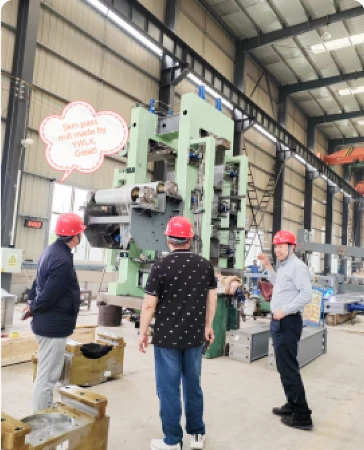
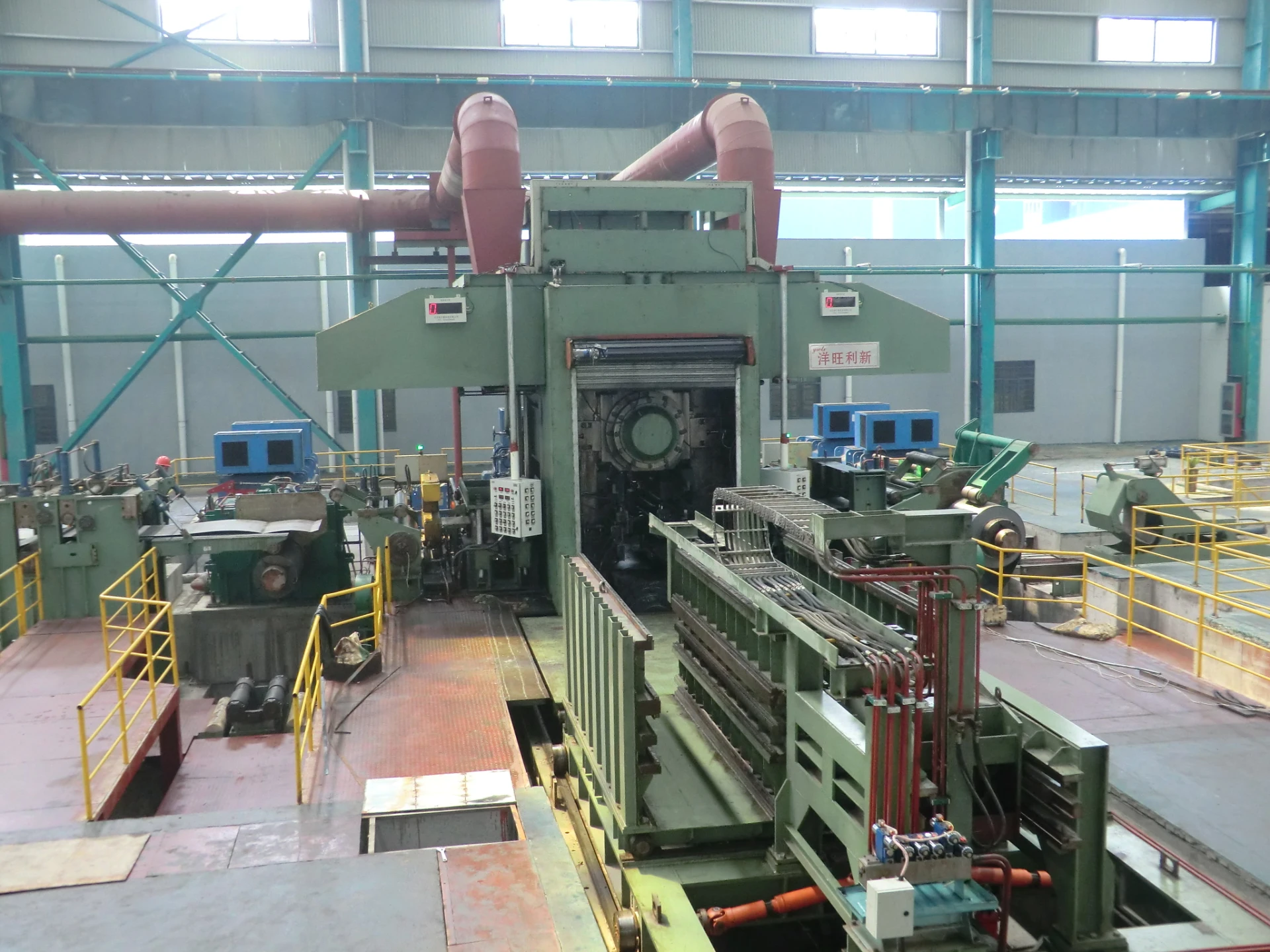
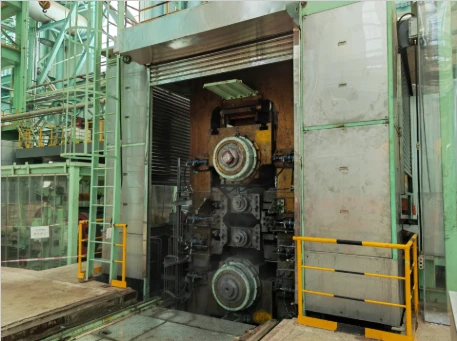
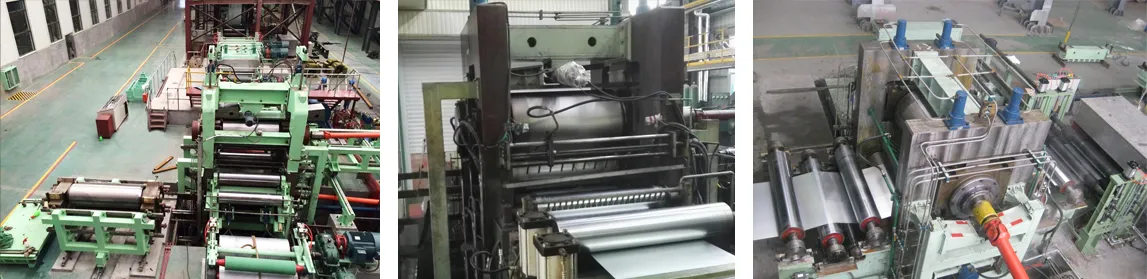
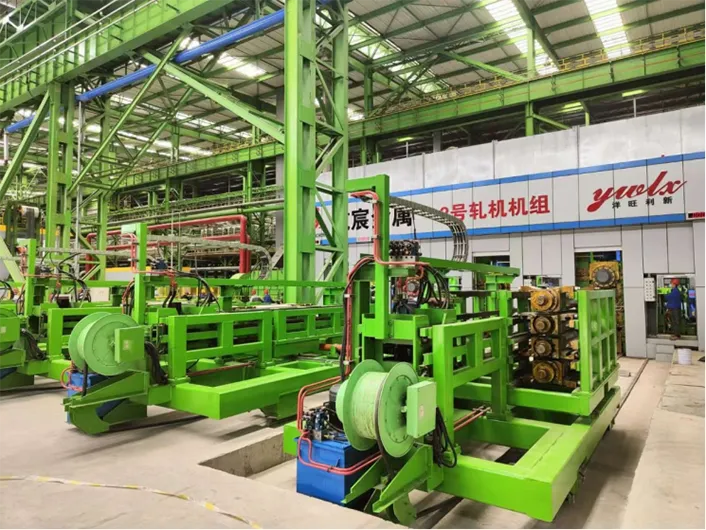
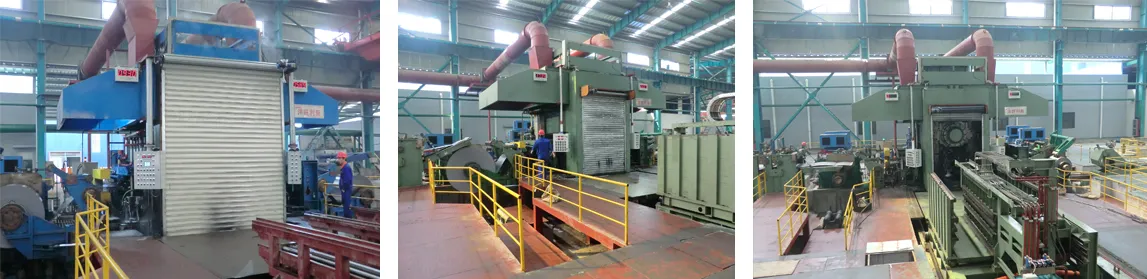
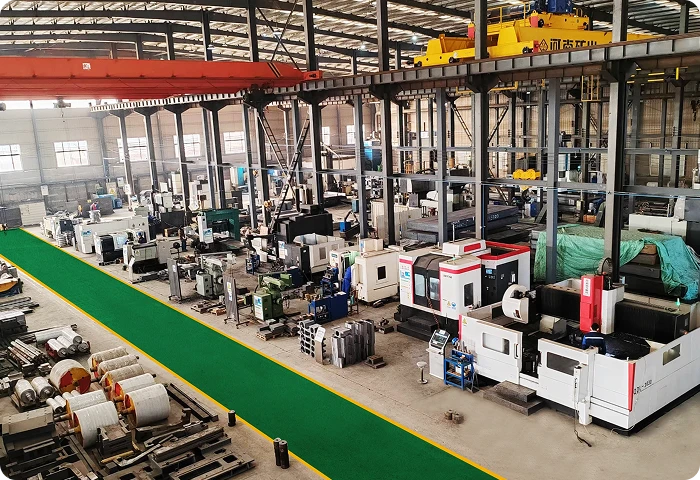
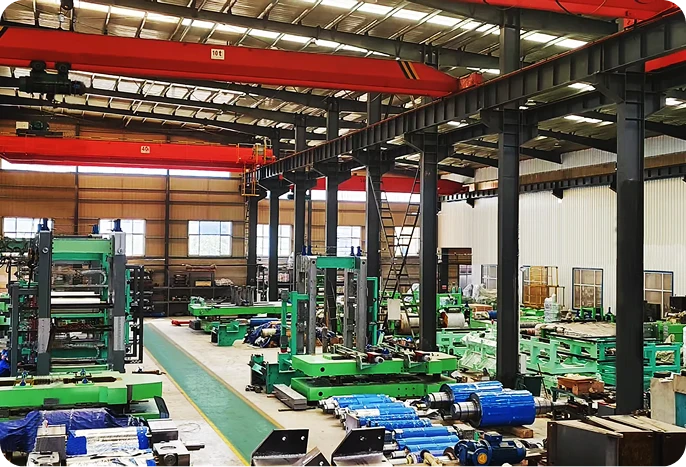
Yang Wang Li Xin operates a state-of-the-art facility over 66,000 square meters,and our manufacturing facility is fully equipped with high-tech machinery and high-capacity cranes. This enables us to handle large work pieces measuring 4.5m in width, 10m in length, and 1.5m in height, guaranteeing our capacity to produce 1800mm skin-pass mills and 1450mm rolling mills. The individual piece can weigh up to 100 tons.


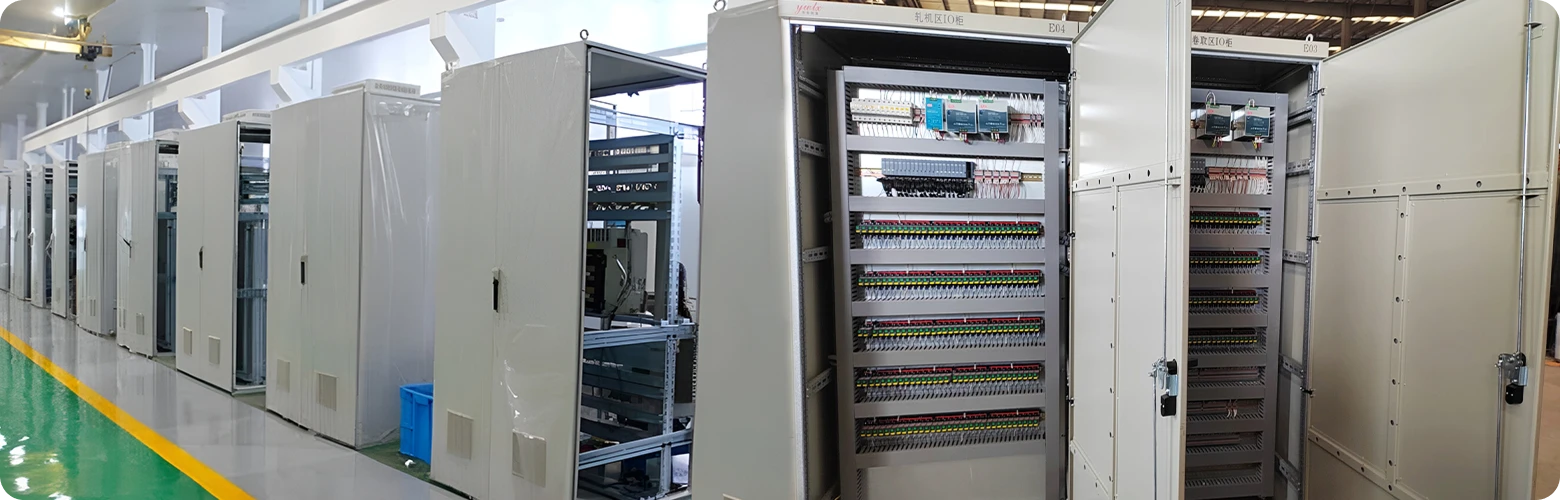
Quality is fundamental to the enterprise survival. We have established a comprehensive and meticulous quality management system and have successfully obtained ISO14000 certification. Starting from the design source, it supervises the entire production cycle, including design, procurement, processing, assembly, in-factory testing, installation, and online commissioning. The workshop is equipped with measuring tools like vernier calipers, spectrometers, hardness testers, and ultrasonic flaw detectors. They are used to check materials and control tolerances to ensure the final equipment meets or exceeds requirements. All products have a unique code, This enables the easy identification and traceability of the equipment components and ensures full control of quality.


-
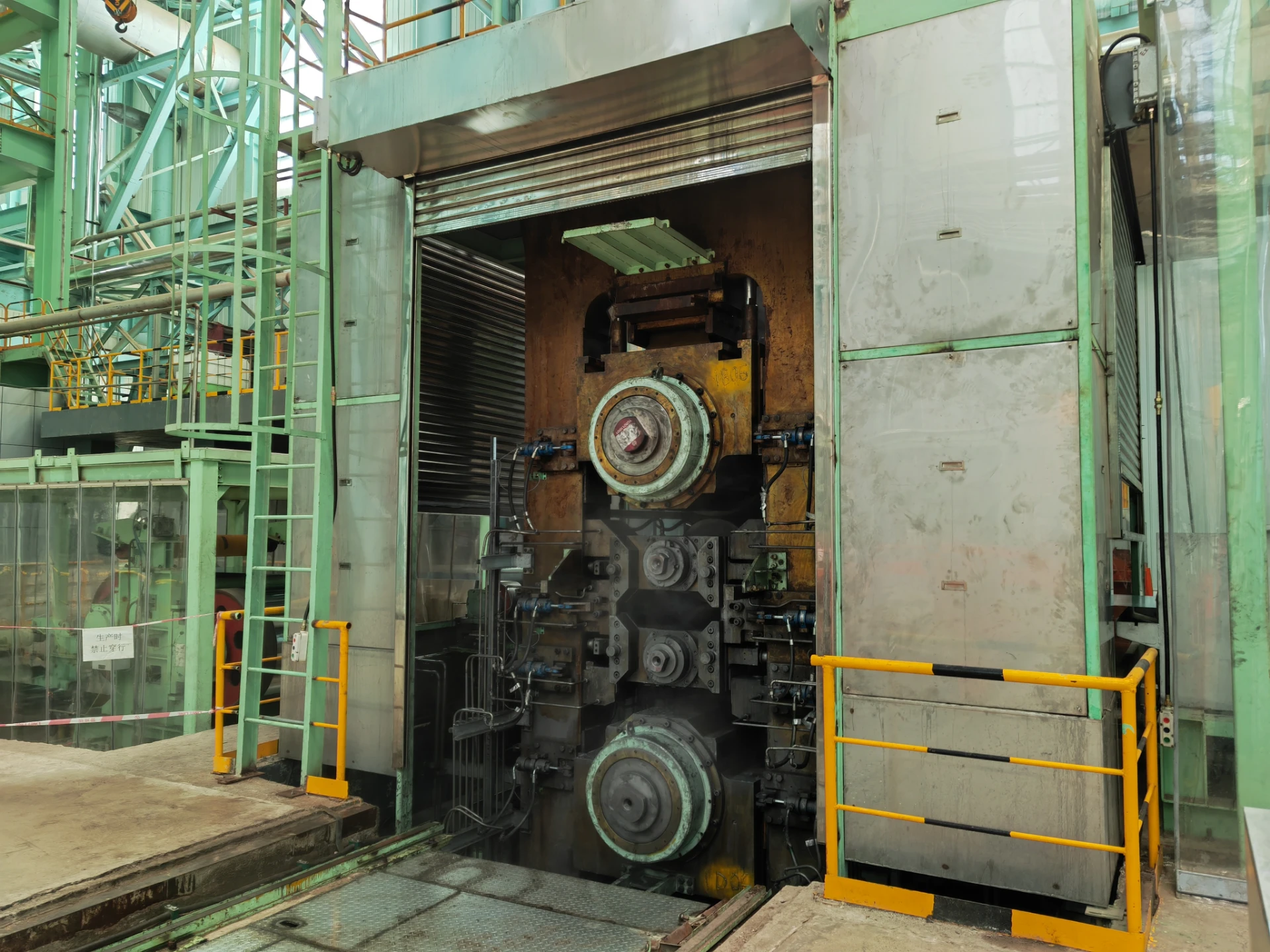 Water Cooling System for Water Tank: Efficient & Reliablewater cooling system for water tank,cooling water expansion tank,cooling water storage tank is a key solution in the Manufacturing industry, specifically within Metals & Mining and Steel Rolling Mills. This article explores how Beijing Yang Wang Li Xin Sci&Tech Co.,Ltd. supports professionals with durable, high-performance products, and explains why this product is an ideal choice for businesses i
 -
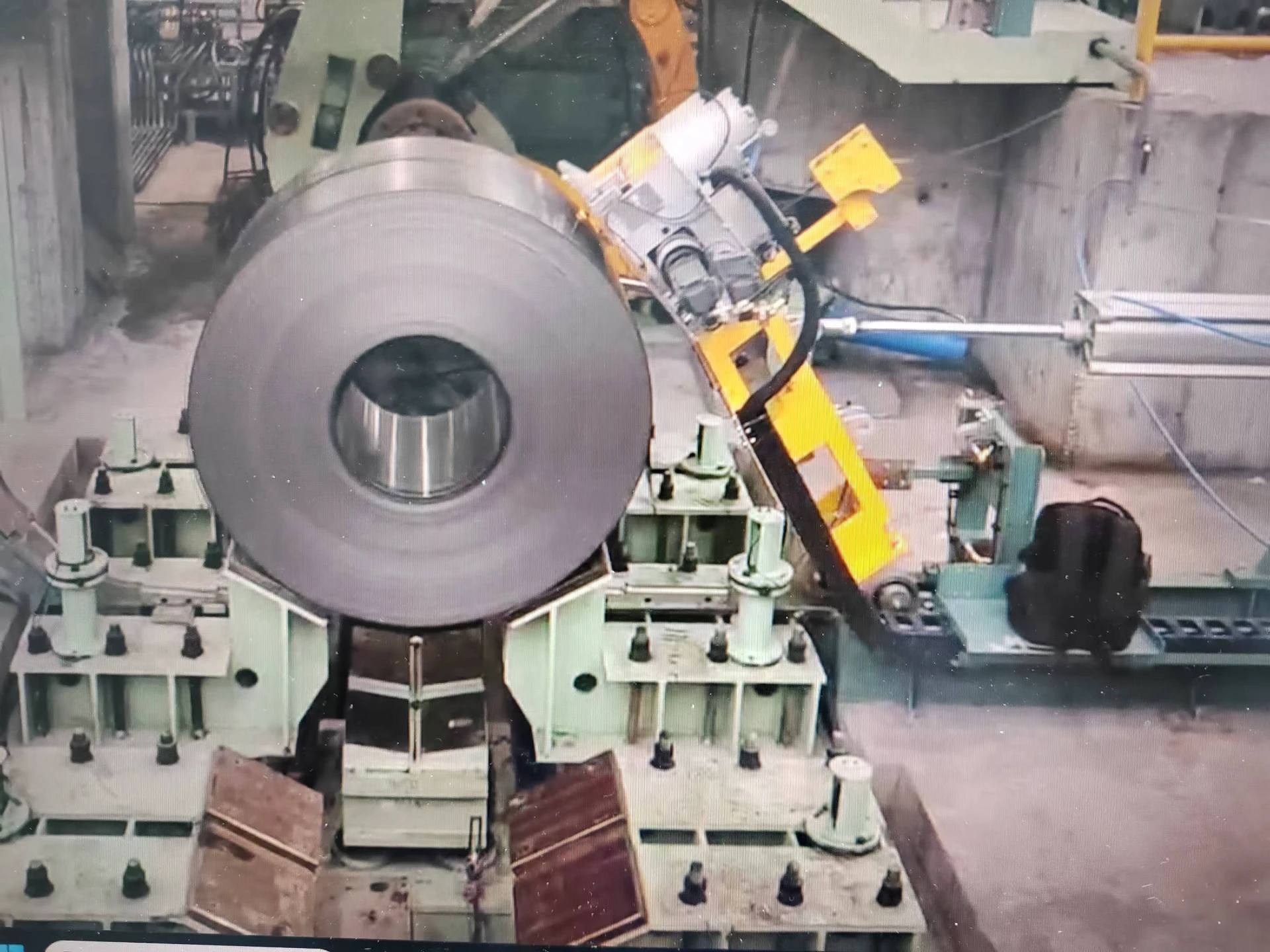 Cladding Rolling Mill - Beijing Yang Wang Li Xin Sci&Tech | Energy-Efficient Metal BondingCladding Rolling Mill has emerged as a revolutionary solution in the metal processing industry, offering a sustainable and efficient alternative to traditional methods. Developed by Beijing Yang Wang Li Xin Sci&Tech Co., Ltd., this technology addresses critical challenges in surface quality, energy consumption, and production costs. This article delves into the technical features, advantages, appl
 -
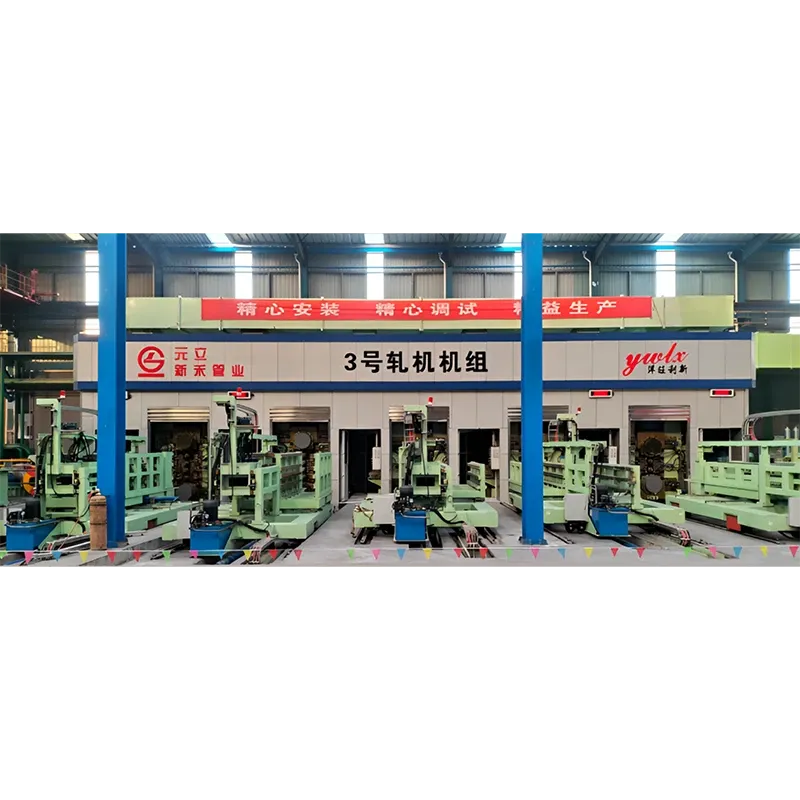 Cold Rolling Mill Machines: Precision and Efficiency in Metal ProcessingIn the metal processing industry, cold rolling mill machine s play a vital role in producing high-quality, precision-engineered metal sheets and strips. These machines enhance surface finish, strength, and dimensional accuracy, making them essential in industries such as automotive, aerospace, construction, and electronics. Among them, 4 high rolling mill s and 6 high rolling mill s are widely use


